Free infographics — use them, print them, embed them
Three graphics covering the things families most need to see at a glance. They are free to use for any non-commercial educational purpose: pediatric practices, early intervention programs, childcare and schools, parent groups, and journalists. No permission needed, no sign-up, no email address.
The only condition: keep the graphic unaltered and credit earlysignsautism.com with a link. The copy-paste embed code under each graphic does that automatically. If you need a version in another format, size, or language for a specific setting, get in touch via the about page.
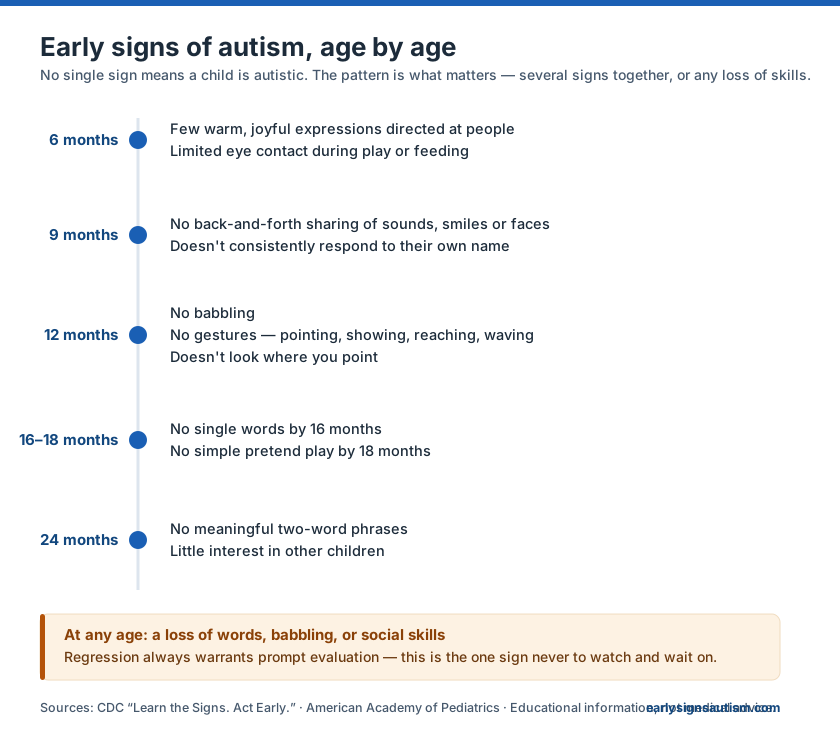
1. Early signs of autism, age by age
The full 6-to-24-month picture on one sheet, including the regression warning. Best for: waiting-room posters, well-child visit handouts, parent group materials, childcare staff training.
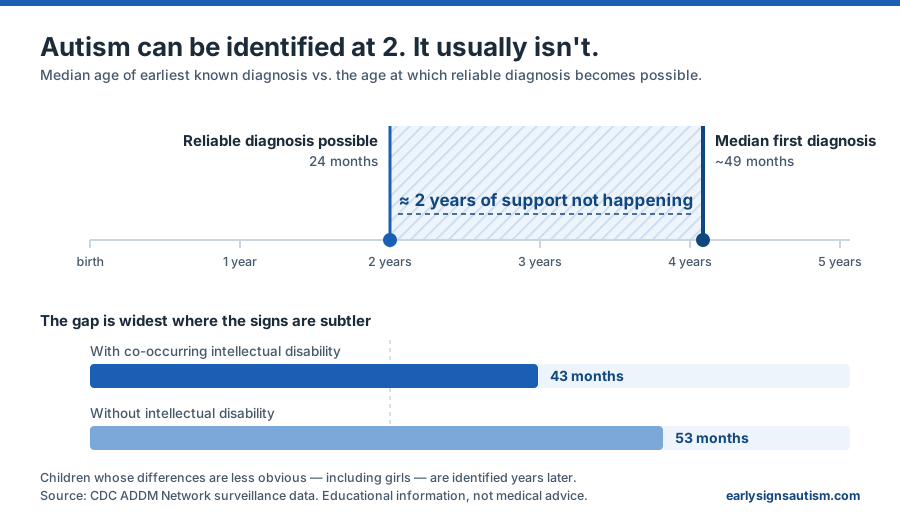
2. The identification gap
Autism can be reliably diagnosed at 2, but the median age of first diagnosis is around 4 — and children whose signs are subtler are found latest of all. Best for: articles, presentations, advocacy, anything making the case for earlier screening.
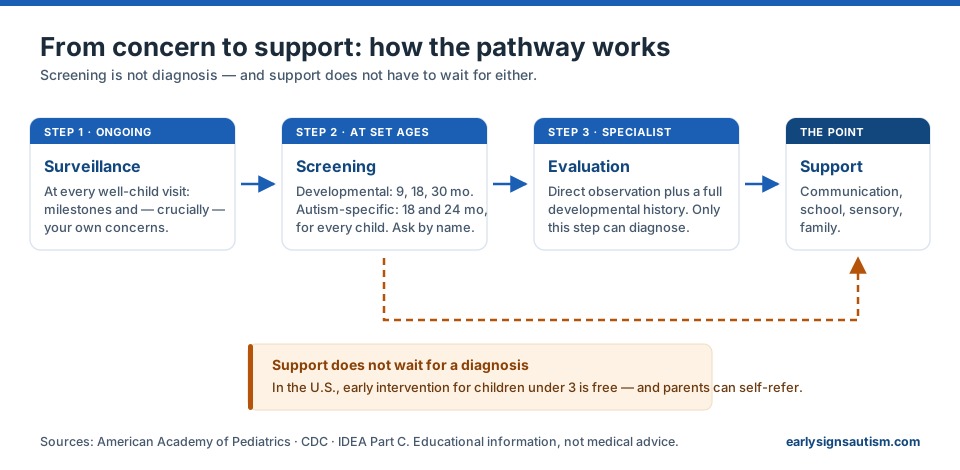
3. The screening and evaluation pathway
Surveillance, screening, evaluation, support — and the shortcut most families are never told about: early intervention needs no diagnosis. Best for: explaining the process to families, staff onboarding, referral packets.
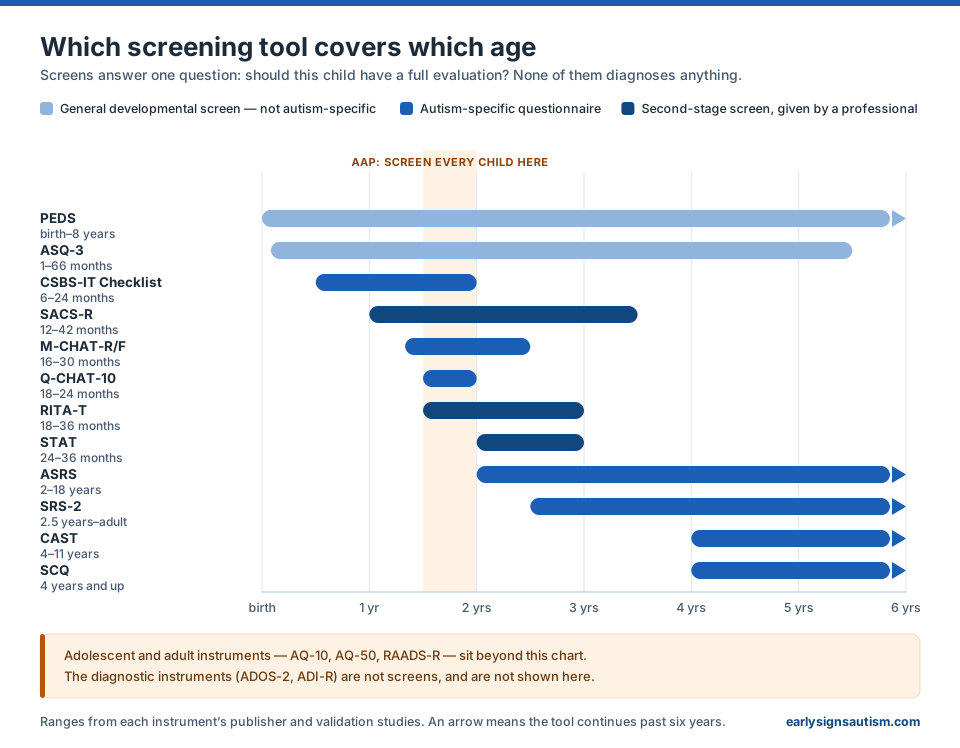
4. Which screening tool covers which age
Twelve instruments plotted against a birth-to-six-years axis, colour-coded by what kind of screen they are, with the AAP screening window marked. Best for: pediatric practices, early-intervention teams, training material, and any article that lists autism screeners without saying who they are for.
Notes for anyone republishing these
- They are SVG files, which means they scale to any size without blurring — a poster and a phone screen use the same file.
- Every figure is sourced. Prevalence and diagnosis-age numbers come from CDC ADDM Network surveillance; the milestone content follows CDC and AAP guidance. Full citations live on the statistics page.
- Please don't crop off the disclaimer. These are educational graphics, not diagnostic tools, and the line at the bottom is what keeps that honest.
- Found an error? Tell me and I'll fix it and say so — see the corrections policy.
Medical disclaimer: These graphics summarize general educational information. They cannot diagnose autism. If you have concerns about a child's development, talk to a pediatrician or qualified developmental specialist.